Voice identity · realtime AI

Create a natural custom voice with inworld voice cloning

Inworld voice cloning turns a short, rights-cleared reference recording into a consistent voice for realtime products. Keep the character, tone, and identity people remember while your application responds in the moment.

Use a source voice when identity matters, then combine it with the inworld ai voice generator for new voices or the inworld realtime tts 2 stack when latency is part of the experience.

At a glance
Short sample Start with a clean, approved reference.
One API Use the same voice across product surfaces.
Realtime ready Stream speech while the conversation is live.
01 / The value

Give every product a voice users recognize.

A cloned voice is useful when it carries a recognizable identity without forcing every interaction to use a prerecorded file. Inworld keeps that identity available for dynamic replies, character dialogue, guided practice, and support moments. The result is less “generic text read aloud” and more like a voice that belongs to the product.

Identity

Keep the familiar sound.

Preserve the qualities that make a speaker, character, or guide feel distinct.

Control

Change the delivery.

Direct pace, emphasis, pauses, and energy without losing the underlying voice.

Scale

Respond in real time.

Move from a fixed recording library to speech that can answer the next thing a user says.

  1. Prepare a clean reference

    Use a short recording with one speaker, low background noise, and explicit permission to reproduce the voice.

  2. Create the voice

    The reference becomes a reusable voice identity that your application can call alongside text and conversation context.

  3. Evaluate the moments

    Test names, numbers, emotional direction, interruptions, and longer exchanges before releasing it to users.

02 / Mechanisms in practice

Three mechanisms make a cloned voice useful in the moment.

The strongest results come from treating cloning as one layer of a voice system, not the whole product. These use cases show where identity, direction, and realtime delivery meet.

Character teams

Distinctive game dialogue

Give a recurring character a consistent identity across branching scenes, then vary timing and emphasis as the player changes the situation.

Outcome: more continuity between authored lines and generated responses.

Use an inworld ai voice generator for new character voices.
Companion products

A familiar voice for every turn

A companion can answer open-ended questions without losing the vocal identity users associate with the relationship.

Outcome: conversations feel less interchangeable and more emotionally coherent.

Connect the clone to inworld realtime tts 2 for live dialogue.
Support experiences

A voice people can return to

A branded guide can explain the next step, answer follow-up questions, and keep its sound steady across help surfaces.

Outcome: a recognizable service voice without recording every possible answer.

Shape related voices with an inworld ai voice generator.
03 / From source to output

A simple path from sample to realtime output.

The workflow is deliberately practical. Start with rights and recording quality, then validate the voice where product behavior is hardest: names, code-switching, emotional shifts, and interruptions.

Attribute Source-based cloning Prompt-based design
Starting input Approved reference audio Written description
Primary strength Preserves a recognizable identity Explores new voice concepts
Best fit Known speakers and recurring characters Early concepting and broad casting
Direction layer Text, controls, and delivery context Text description and model behavior
Consistency check Compare against the reference identity Compare against the written brief
Rights responsibility Requires consent and documented usage rights Still requires review of generated content

For production, keep the source file, consent record, voice configuration, and evaluation notes together. That makes it easier to retire a voice, investigate an issue, or explain how an output was created.

04 / Limits and edges

Limits and edges to understand before you clone a voice.

Voice cloning can improve identity and flexibility, but it does not remove the need for judgment. Clear boundaries protect the speaker, the audience, and the product team operating the experience.

It cannot create consent

A technically clean sample is not permission to reproduce someone’s voice or imply their endorsement.

Workaround: document explicit speaker approval and intended use.

It is not a perfect identity match

Pronunciation, emotion, long-form stamina, and unusual names can still expose differences from the source.

Workaround: evaluate representative scripts before launch.

It does not guarantee every language

A voice may carry across languages while accent, rhythm, or cultural expectations vary by locale.

Workaround: test each priority language with native listeners.

It cannot replace product safeguards

A familiar voice can make an unsafe or misleading message feel more credible, especially in sensitive contexts.

Workaround: add disclosure, monitoring, escalation, and removal paths.

A clearer listening test

The useful question is not “does it sound identical?”

Ask whether the voice is recognizable, appropriate for the moment, and reliable enough for the product experience you are building.

Abstract voice cloning artwork showing layered sound and identity
Before Reference identity
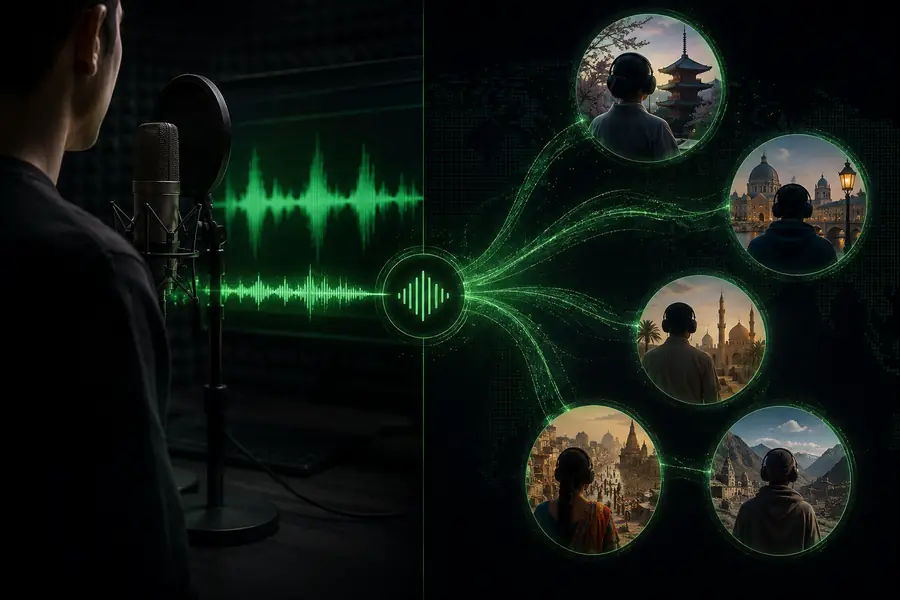
Expressive realtime voice artwork representing generated speech
After Generated response

Listen for identity across several contexts: a quiet explanation, an excited interruption, a difficult name, and a long response. A strong clone should feel like the same voice adapting, not a recording being imitated mechanically.

Planning tool

Estimate a first voice evaluation pass.

Use the slider to sketch the size of a small evaluation batch. This is an illustrative planning model, not a quote or a product price.

5 min 30 min 120 min
Audio size 36 MB
Planning cost $3.60
Review time saved 24 min

Illustrative formula: 1.2 MB per minute, $0.12 per minute, and 80% less manual assembly than a fully prerecorded set.

1 approved reference workflow
200+ languages available across the voice stack
1 integration point for reusable voice identity
24/7 availability for dynamic product moments
FAQ

Questions about voice cloning

Is voice cloning illegal? +

Voice cloning is not automatically illegal, but using someone’s voice without appropriate consent, rights, disclosure, or safeguards can create legal and ethical risk. Rules vary by location and by use case, including publicity rights, impersonation, privacy, copyright, and consumer-protection concerns. Use a voice you own or have permission to reproduce, document the approved scope, and get qualified legal advice for sensitive or commercial deployments.