Realtime voice / TTS-2

How inworld realtime TTS 2 fits your voice stack

Inworld realtime TTS 2 is a focused route for expressive, natural speech when a consumer-facing product needs fast responses and more control over delivery. It is not simply a general voice endpoint with a new label.

Realtime TTS voice interface
01 / Entry point comparison

This entry point vs the general one

The distinction is mostly about the job your application needs the model to do. General TTS is a broad foundation; Inworld TTS-2 is shaped around realtime interaction, expressive direction, and an answer that starts quickly.

Capability TTS-2 route General TTS
Fast first audio
Expressive voice direction
Designed for live turns
Broad batch narration
Single voice API surface

The right choice depends on whether your priority is live interaction, batch production, or a combination of both.

How it works
  1. Describe the moment

    Send text with the context, tone, pace, pause, or emotional direction that should shape the response.

  2. Stream the response

    The voice begins returning audio as the interaction is still unfolding, rather than waiting for a long block to finish.

  3. Tune what users hear

    Adjust delivery in the prompt and connect the output to the rest of your application experience.

02 / Capability split

The four things only this TTS-2 route does especially well

Inworld TTS-2 is most useful when speech is part of the product experience, not a file generated somewhere outside it. These are the moments where the specialized route earns its place.

03 / Starting point

How to start with realtime TTS 2

Start with one representative interaction rather than a library of isolated lines. Define the voice, send a short prompt, listen for timing and tone, then connect the same path to your application. Inworld speech to text can complete the loop when the product also needs to hear users, while voice cloning is useful when a recognizable identity matters.

1 streaming voice path to test the core interaction
200+ languages available across the broader voice stack
0 reason to rebuild the product around a separate audio workflow
04 / Before and after

Where the difference becomes audible

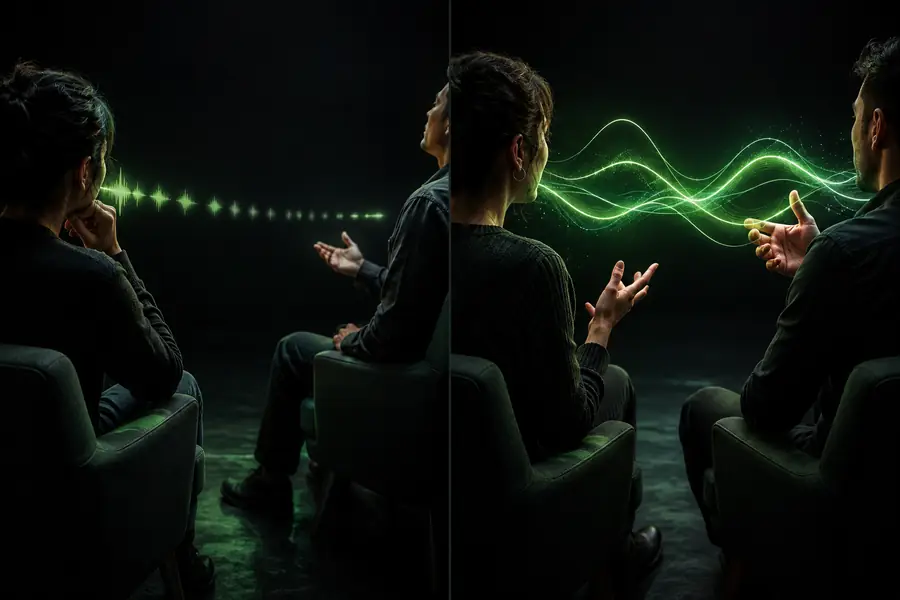
The practical change is not only a cleaner waveform. It is the difference between speech that arrives as a finished object and speech that behaves like part of a live exchange.

General text to speech interface with a completed audio response
Before / completed response
Expressive realtime voice interaction visual with streaming audio
After / live voice moment

Illustrative comparison: the route is strongest when first audio, delivery, and conversational timing all matter at once.

Related routes

Choose the adjacent Inworld capability that matches the next layer of your build. The voice generator is useful for early direction, cloning for identity, and speech recognition for a complete two-way interaction.

05 / Limits and edges

What this realtime voice route cannot do

A specialized endpoint is valuable because it is focused. It should not be treated as the answer to every audio problem or as a replacement for product decisions about content, safety, and interaction design.

It cannot fix weak writing

Natural delivery does not make unclear prompts, repetitive dialogue, or poor conversational logic feel intentional.

Workaround: test the script and turn design before tuning the voice.

It is not a full speech recognizer

TTS-2 produces speech. It does not replace the listening layer needed to interpret user audio or manage inbound turns.

Workaround: pair it with Inworld speech to text for a two-way voice experience.

It cannot guarantee one perfect take

Expressive synthesis still needs evaluation across names, numbers, languages, emotional direction, and edge-case prompts.

Workaround: build an evaluation set from real user moments and listen before launch.

It does not replace voice identity work

A fast, expressive route still needs a clear decision about who the voice is and how it should behave over time.

Workaround: use voice design or cloning when a distinct character is central to the product.

06 / FAQ

Inworld realtime TTS 2 FAQ

What is Inworld TTS-2?

Inworld TTS-2 is a realtime text-to-speech route for applications that need expressive audio, fast first response, and control over how a line is delivered. It is intended for interactive product experiences as well as voice-led applications.

Is Inworld TTS-2 available online?

The route is designed to be accessed through Inworld's online developer infrastructure. Teams can test the voice behavior, then connect the same general workflow to their own application through the available API surface.

What makes TTS-2 different from general TTS?

The emphasis is on realtime interaction: expressive direction, streaming behavior, and audio that can participate in a live exchange. General TTS remains useful for broader narration and batch-oriented work.

What should I test first?

Start with a short interaction that includes a pause, a name, a change in emotion, and one follow-up turn. Those moments reveal whether the voice, timing, and direction are right for your product.